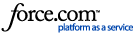
Your parents each gave you half of your DNA. Together, their DNA makes up your DNA, including your ancestral regions. With regions by parent, you can see which ancestral regions you inherited from each parent—even if they haven’t taken AncestryDNA tests.
Viewing your regions by parent
- From any Ancestry® page, click the DNA tab and select Origins.
- Click the By parent tab.
- Choose View regions by parent.
How we split up regions by parent
Because you get half of your DNA from each parent, each region could have come from one or both parents. We use SideView™ technology to compare your DNA to your close matches’ DNA and figure out which half comes from each parent. Once we know that, we calculate each half’s regions to show you what was passed down from each parent. However, we can’t tell which parent is parent 1 or parent 2. For help figuring this out, see Strategies for Labeling Your Parents in DNA by parent.
Why your regions may differ from your parents'
You only inherit half of their DNA
Because you only inherit half of your parents’ DNA, looking at your regions only shows half of what makes up their regions rather than the whole picture.
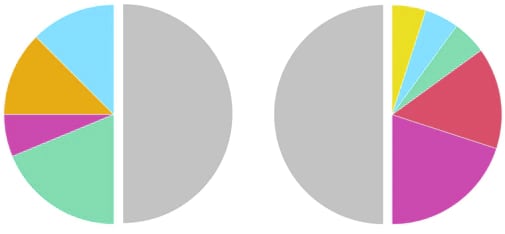
If your parents take AncestryDNA tests, they’ll get a full summary of their regions. This could also give you a glimpse into 50% of your grandparents' regions.
Inheritance is random
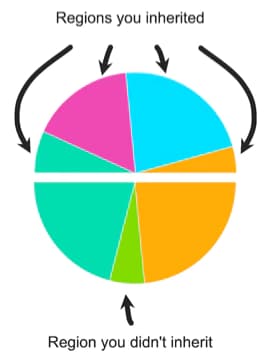
One or both parents could have regions that weren’t passed down to you. This happens because inheritance is random, and getting half of a parent’s DNA doesn’t mean you get half of each region. (Read more about how DNA is passed down and inherited.)
DNA from nearby regions can look similar
You can't inherit a region neither parent has, so how can some people have regions that aren’t in their parents' results?
Ancestral regions show the percentage of a person's DNA that matches people with known origins around the world (called a reference panel). And because other results could be just as likely, we include ranges. If a range includes 0%, the DNA for that region might be from a nearby region with DNA so similar it’s hard to tell apart. Your DNA may have been labeled one way, while your parents’ DNA was assigned differently.
If your results show a region your parents don't have, check neighboring regions. For example, if you have 10% France with a 0-20% range and neither parent has France, your France may actually be from Germanic Europe.
As we get more data and science improves, your results might change.
Frequently asked questions
Select a question below to view the answer. Select the question again to hide it.
How can I tell who parent 1 and parent 2 are?
We can split your DNA by parent, but we don’t know which parent is parent 1 and which is parent 2. For help figuring this out, see Strategies for Labeling Your Parents in DNA by Parent.
Why don’t some percentages add up to 50% or 100%?
When calculating percentages, we round results to whole numbers and report some smaller regions as <1%. This means totals might be less than 50% or 100% if some regions are under 1%.
One of my parents has a region that isn't shown in my results. How is that possible?
You only inherited half of each parent's DNA, so the missing region might be in the half you didn’t inherit.
My results suggest my parents have more of a region than their results show; why?
Regions and percentages are based on DNA comparisons to a reference panel, and ranges are included for accuracy. Neighboring regions can have such similar-looking DNA that it’s hard to tell them apart. This can sometimes lead to differences in how regions are assigned.
What's the difference between ancestral regions and regions by parent?
Ancestral regions show the percentage of DNA that looks most similar to DNA from people with long histories in different places around the world.
Regions by parent shows which ancestral regions were inherited from each parent.