When we first read your DNA, we don’t know which parts of your DNA came from each parent.
Ancestry® developed a technology called SideView™ to figure this out using DNA matches. Because a match is usually related to you through only one parent, your matches can help us “organize” the DNA you share with them.
SideView™ technology powers the DNA inheritance features that show which regions, journeys, matches, and traits you inherited from each parent, even without testing your parents (though we don’t know which parent is which).
How SideView™ works
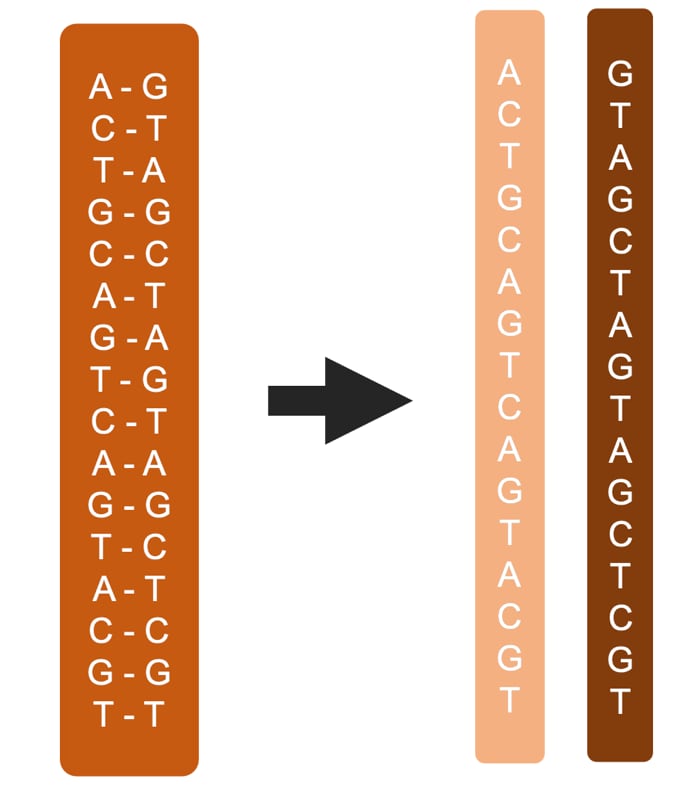
When we first read your DNA, it's all just a long line of those famous DNA letters, A (adenine), G (guanine), C (cytosine), and T (thymine). These are the building blocks of DNA.
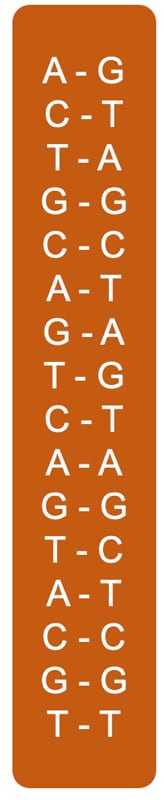
One letter in each row comes from each parent. For example, in the top row, the A comes from one parent and the G comes from the other. But we don’t know which letter came from whom. The same is true for C and T, G and G, and so on.
(Your actual AncestryDNA® results are a bit longer…more like 700,000 pairs of letters!)
To figure out which DNA came from each parent, we need to split the list into the two parts that created it. We do this by looking at a section of DNA that you share with a match.
The first step is discovering where a match’s DNA overlaps with yours. We do this by finding letters you both have in the same order:
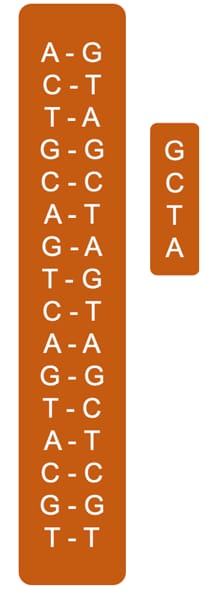
Each match is likely related to only one of your parents. So we now know that one parent’s piece of DNA must be GCTA. Since there are only two letters per line, we’ve also learned that the other parent’s piece of DNA is GCAG–the letters that are left over.
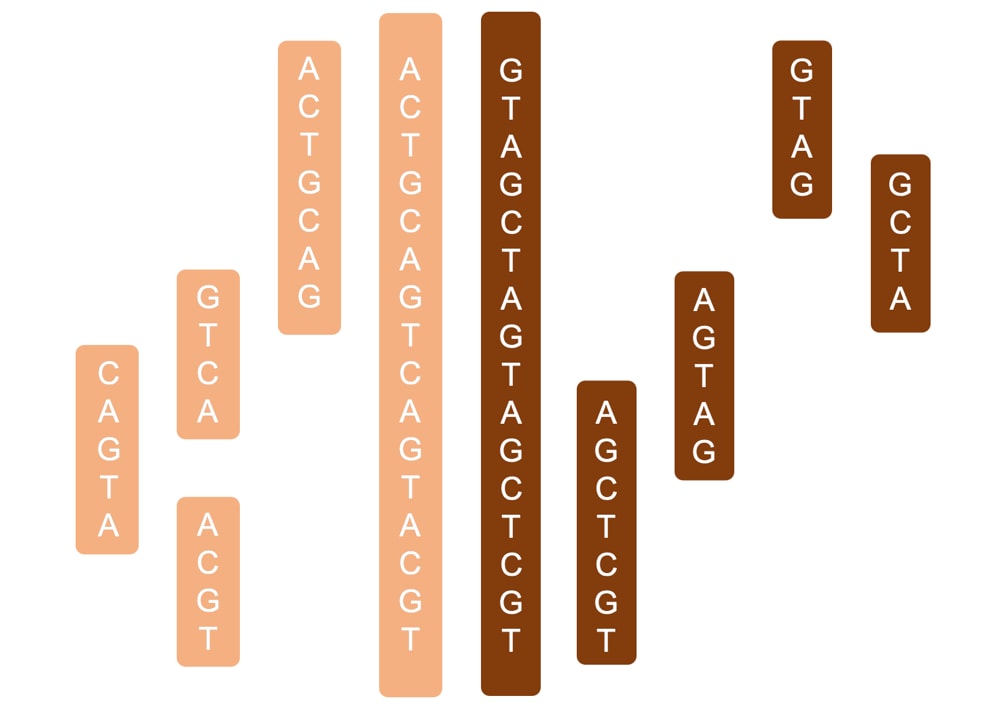
After this, we bring in lots more matches and do the same thing with each of them. By comparing the shared DNA of many matches, we’re able to figure out the parts of your DNA that were inherited from one parent or the other.
In the end, we split your DNA into the half you inherited from each parent. This enables us to provide your results by parent.
Frequently asked questions
Why don’t my results tell me which parent passed down which half?
Even with the help of matches, your DNA data doesn’t tell us which parent each half of your DNA came from.
We can split up your DNA according to the two parents who passed it down, but we still can’t connect each half to a specific parent.
How can I tell who parent 1 and parent 2 are?
A few strategies can help you identify which of your parents is parent 1 and which is parent 2. For help, see Strategies for Labeling Your Parents in DNA Inheritance.
Why do my regions by parent results show more of a region than my parents' DNA results?
We get the ancestral region percentages in your DNA results from comparing your DNA to our reference panel. They’re the most likely numbers, but other percentages are nearly as likely. If your parents have taken AncestryDNA tests, the same is true of their results.
That’s why we include ranges for the regions in your DNA results. People in neighboring regions can have DNA that’s so similar, it’s hard to tell apart. Your DNA from one of these regions may have been labeled one way, while some of your parents’ DNA was attributed differently.