AncestryDNA® matching identifies other AncestryDNA members who might be related to you. We compare your DNA to the DNA of every other person in the AncestryDNA database, and based on how your DNA matches up, we estimate how closely you’re related—whether you are siblings, first cousins, distant cousins, or unrelated (see Figure 1).
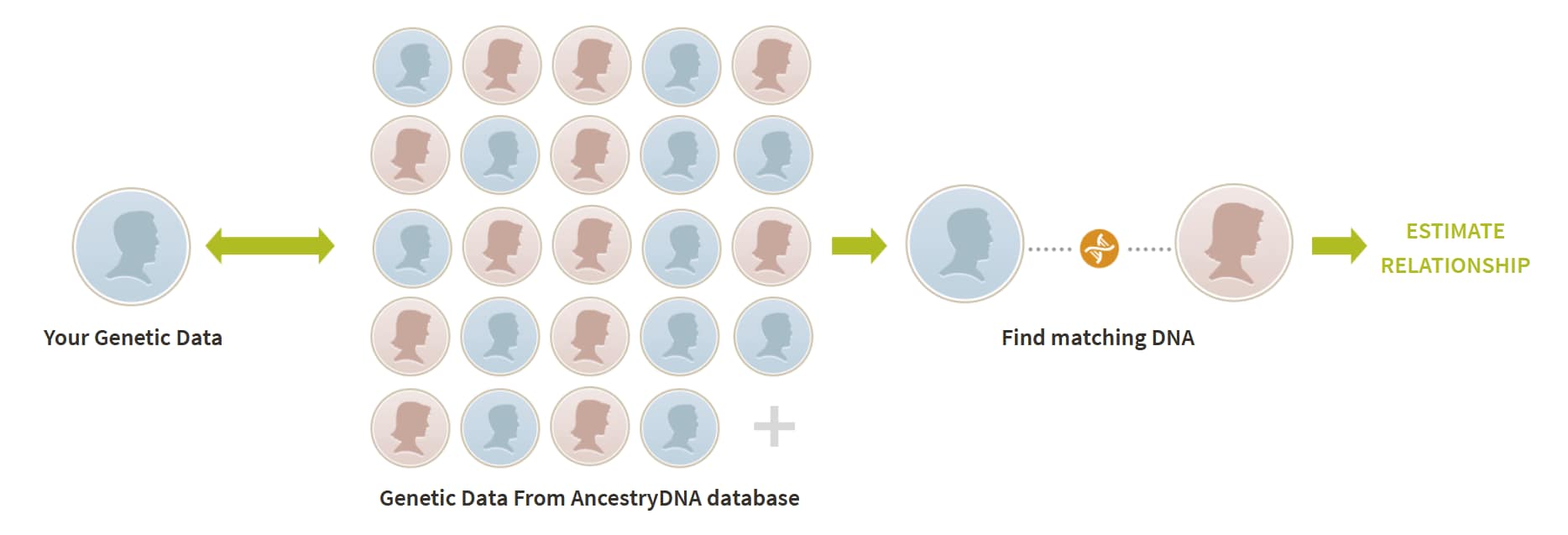
Figure 1. How AncestryDNA member matching works.
Why it works
Since every person inherited DNA from their parents, who inherited it from their parents, and so on, a person’s DNA is made up of the DNA of their ancestors. If you and another person both have the same ancestor, there’s a chance that you both inherited some of the same DNA. (Learn more about genetic inheritance.) So, if we find that you "share" DNA with someone, you might be related (see Figure 2).

Figure 2. How DNA can be passed down from a common ancestor. In level A, the two blue bars represent the DNA of one ancestor, and the two red bars represent the DNA of the other ancestor. Individuals B, C, and D are distant descendants of the people in A. They share different amounts of inherited DNA from these common ancestors with each other.
How it works
Even though you get half of your DNA from each of your parents—one full copy from your mother and one from your father—your genetic data doesn’t tell us which parts of your DNA you inherited from each of them. Figure 3 shows the first step of DNA matching, called phasing, which distinguishes the two copies of a person’s genome that they got from each of their parents. (Learn how we do phasing with SideView™ technology.)

Figure 3. The phasing step in DNA matching. Your genetic data only reveals the pairs of letters you have at a particular genetic marker. Phasing determines which strings of letters of DNA were inherited from each parent.
The second step of DNA matching is to look for pieces of DNA that "match," or are nearly identical, between two people (see Figure 4).
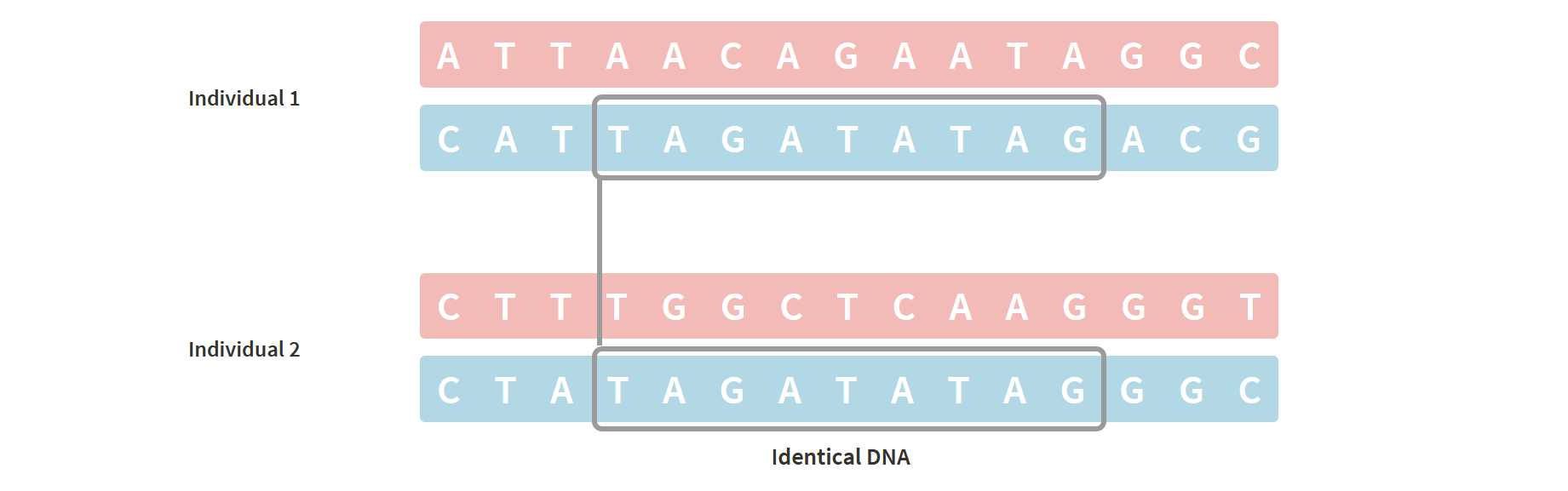
Figure 4. Matching segments of DNA. Individual 1 and individual 2 both share an identical segment of DNA.
But, just because two people’s DNA is identical doesn’t mean it’s identical because they are related. (Learn how you can have identical DNA and not be related.) We use rigorous statistical tests to ensure that any matching DNA we find between two people is identical because they inherited it from a recent common ancestor. In other words, they share DNA because they are related.
Finally, once we find matching DNA between you and another AncestryDNA member, we determine how much of that shared DNA you have. We then use that to estimate how you might be related: the more DNA you share, the more likely it is that you’re closely related. (See how we estimate relationships.)
What’s next?
Now that you understand how your matches are determined, it’s time to explore and make new discoveries about your family story. (Get tips on making the most of your DNA matches.) Remember to keep coming back to your list of matches; you could get new matches often.